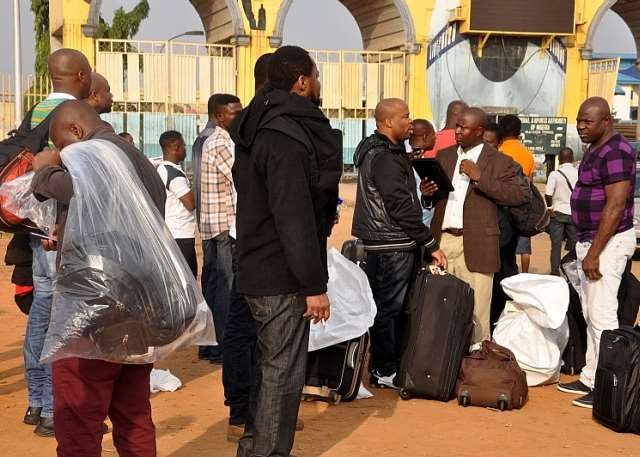


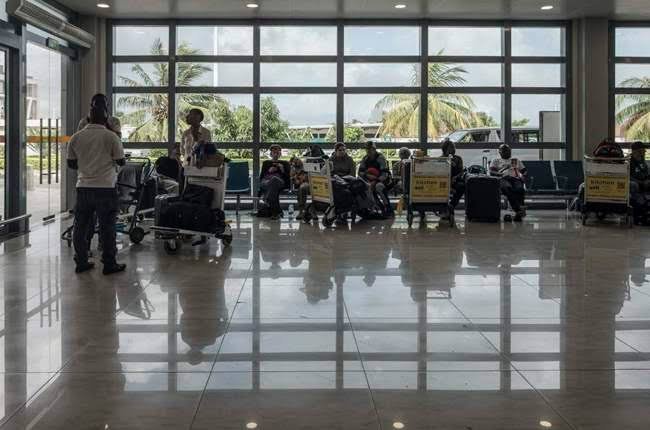
Airports across Tanzania were thrown into confusion over the weekend, leaving hundreds of passengers stranded after President Samia Suluhu Hassan was declared winner of the highly disputed election with over 97% of the vote.
Domestic flights were abruptly halted, and many international travelers could not access their travel information due to widespread internet shutdowns.
“We’re supposed to fly from Zanzibar to Paris, but our connecting flight to Nairobi has been canceled. We are stuck here,” said French traveler Irvine René at Zanzibar Airport. “We have no idea where we will sleep tonight or what to do next.”
Following last week’s tense election, several countries, including the United Kingdom, Canada, and the United States issued travel warnings advising their citizens to avoid Tanzania due to the unrest and violence reported during and after the vote.
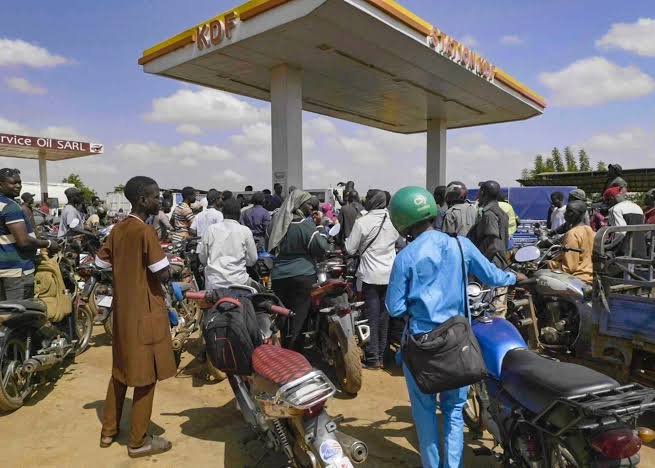
Large crowds took to the streets in major cities, aiming to stop vote counting and protest the election outcome. Soldiers and police were deployed to suppress demonstrations, while unstable internet access disrupted travel plans, communication, and daily activities.
Critics say the results reinforce their belief that the election was never a fair contest. President Hassan’s main rivals, Chadema’s Tundu Lissu and ACT-Wazalendo leader Luhaga Mpina were barred from participating, leaving her with almost no competition.
Officials have not revealed how many people have been killed or injured during the clashes.
According to Seif Magango, spokesperson for the UN human rights office, there are credible reports of at least 10 deaths, particularly in Dar es Salaam, Shinyanga, and Morogoro.
UN Secretary-General António Guterres expressed concern over the escalating situation and urged all parties to avoid further violence.
Foreign ministers from the UK, Canada, and Norway issued a joint statement citing “credible reports of many fatalities and serious injuries” caused by security forces responding to protests.
The European Union also called on Tanzanian authorities to show restraint and prioritize the protection of lives.